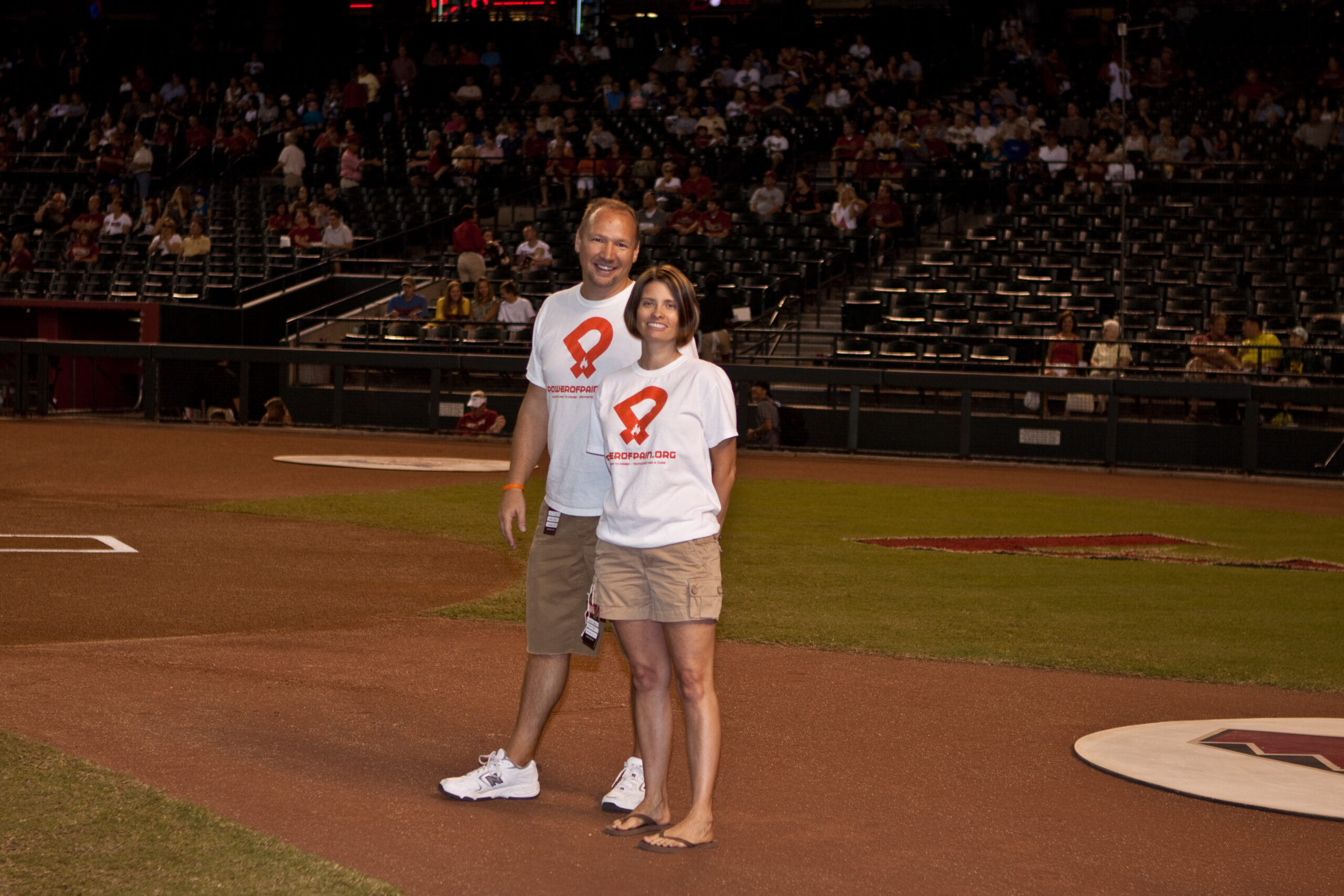
As part of the OFFICIAL NERVEmber project, the International Pain Foundation raises awareness about nerve pain conditions. Since NERVEmber was founded, thousands of nerve pain patients and organizations have participated. As part of the project, individuals are encouraged to share a picture daily during NERVEmber to increase awareness. Funds are also presented for research, education, and support services.
Why do we have NERVEmber?
Nerve pain is one of the symptoms of over 150 conditions, which are usually misunderstood, misdiagnosed, or mistreated. It is the color of chronic pain awareness around the world.
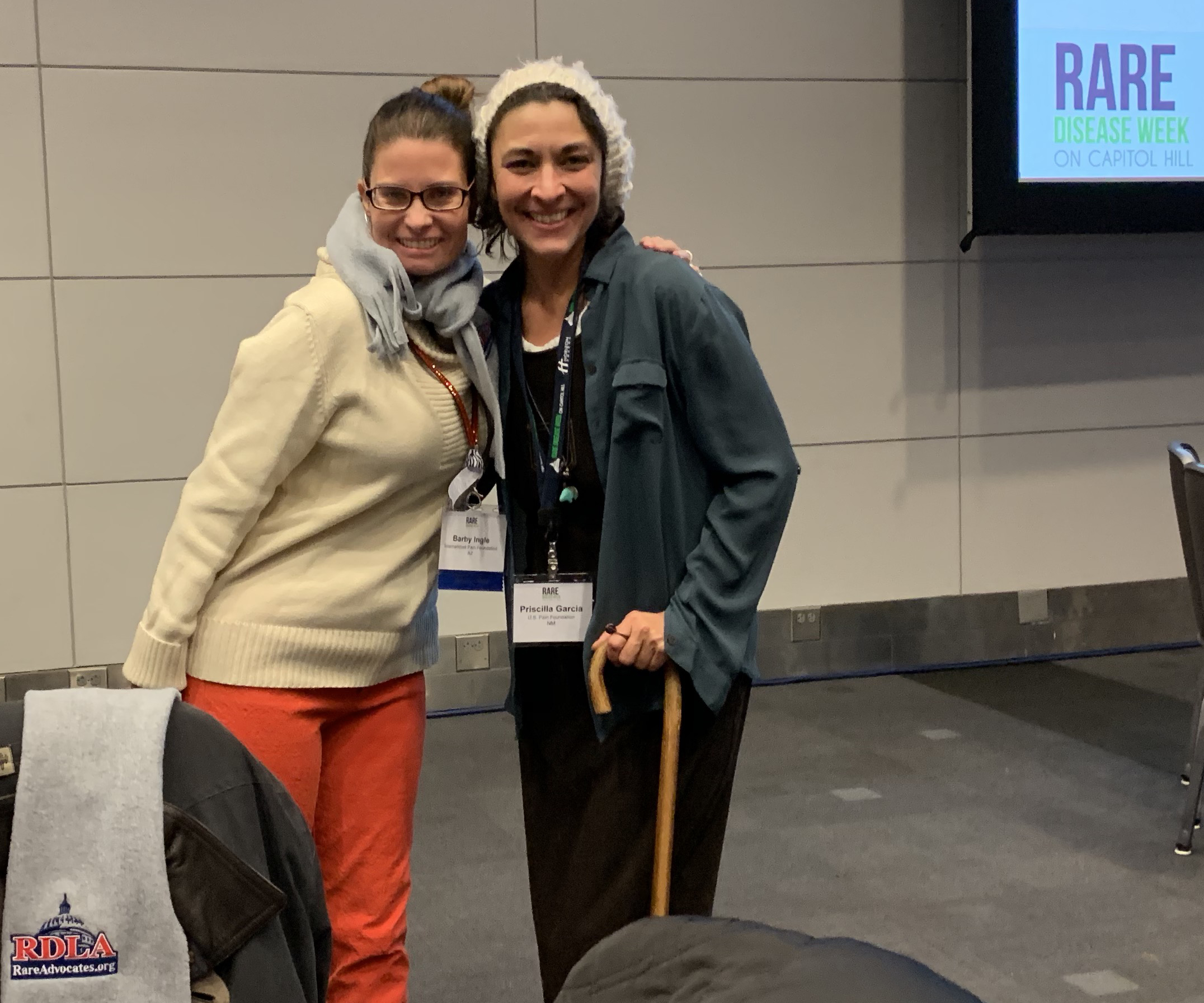
NERVEmber is officially recognized by the International Pain Foundation as Neuropathy Awareness Month, Reflex Sympathetic Dystrophy Awareness Month, Complex Regional Pain Syndrome Awareness Month, and Diabetes Awareness Month (November). Barby Ingle coined the term NERVEmber in October 2009. These awareness campaigns were initiated by the International Pain Foundation in 2007 as a 501(c)(3) charity. Since the Neuropathy community and movement for nerve pain awareness grew, the awareness activities grew into Nerve Pain Awareness Month, or NERVEmber as it is known in the pain community.
An Annual Event – NERVEmber!
Each year, the International Pain Foundation hosts the OFFICIAL NERVEmber project events, raising awareness of the 150+ conditions that have nerve pain as a symptom. NERVEmber has been promoted by tens of thousands of nerve pain sufferers and organizations since its inception.
People around the world gather during November to celebrate nerve pain. Events are held. Articles are written. Social Media statuses are updated, graphics are posted, and videos are created and spread online. Proclamations are issued. It is worthwhile to remember that all of these things can take place throughout the year, not just in November.
What You Can Do For NERVEmber
We encourage you to use #NERVEmber on your social media posts and awareness events to raise awareness of RSD, CRPS, Nerve Pain, and Neuropathy. This is an awareness campaign run by the International Pain Foundation. It is illegal to create pages titled NERVEmber/Nervember on social media and sell items with NERVEmber® trademarked items. The International Pain Foundation will address this legal matter in writing with those who attempt to profit from products and pages not approved by the Foundation. The only entity that can sell products and create pages for this project is the International Pain Foundation. Thank you!
As part of International Nerve Pain Awareness Month (which includes conditions such as RSD, CRPS, Diabetes, and Neuropathy), the #NERVEmber hashtag is used daily to promote awareness of neurological diseases. By using the tags #NERVEmber #NERVEPain #CRPS #RSD #CPS #AlgoNeuroDystrophy #GoOrange, you can raise awareness for conditions such as #RSD #CRPS #Diabetes. Find out more at www.internationalpain.org