

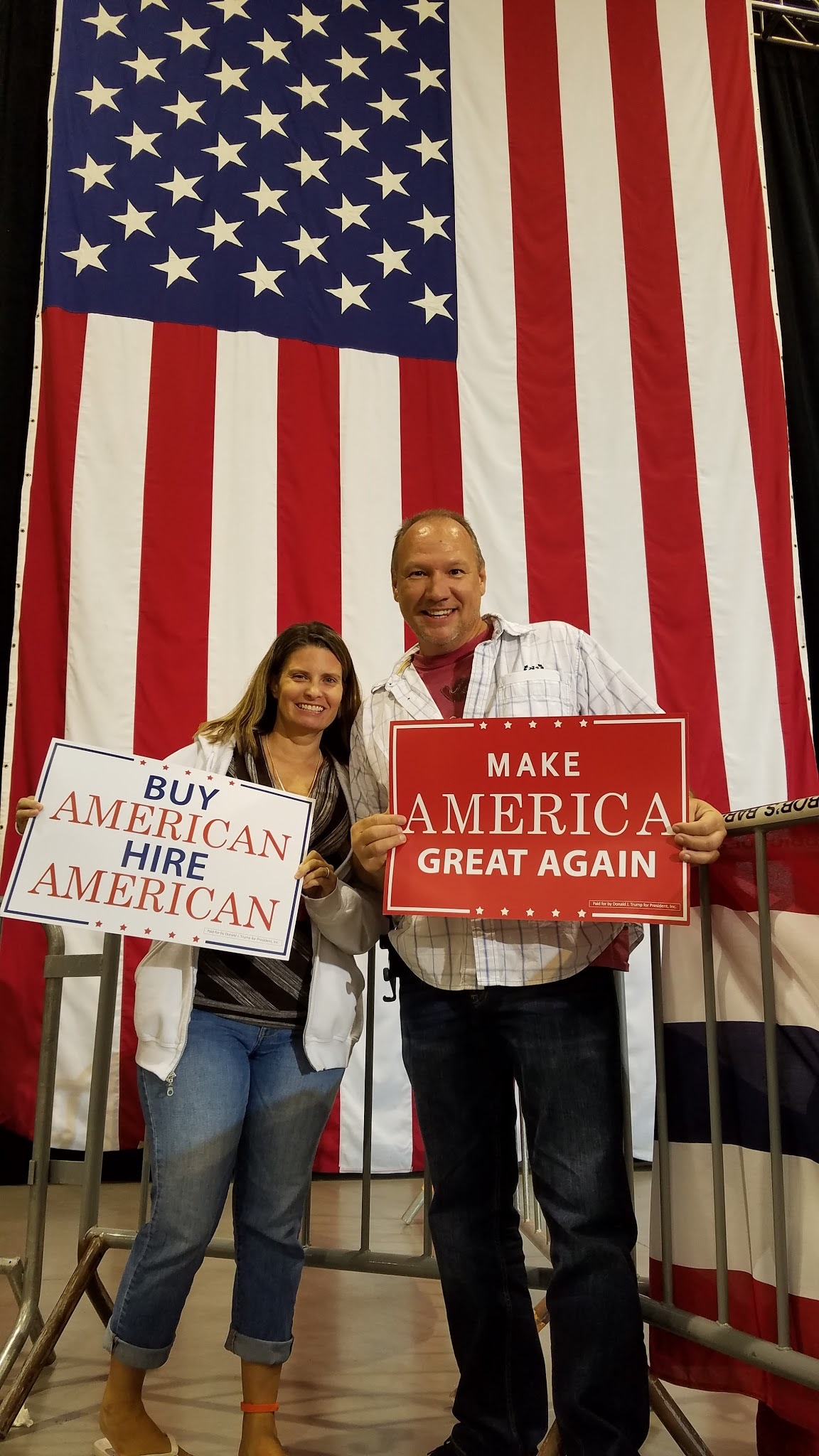
As we gear up for America’s 250th anniversary in 2026 – the SemiQuinCentennial marking the signing of the Declaration of Independence on July 4, 1776 – it’s a perfect time to reflect on the foundational principles that have shaped our nation. This milestone, often called America250, invites us all to honor our history, celebrate our progress, and look forward to the future. From nationwide events like Smithsonian exhibitions and festivals to local commemorations, it’s a chance to appreciate the freedoms that define us. Among these, the Second Amendment stands out as a cornerstone of individual liberty, reminding us of the vision our Founders had for a free and secure society.
A Brief History of the Second Amendment
Ratified on December 15, 1791, as part of the Bill of Rights, the Second Amendment reads: “A well-regulated Militia, being necessary to the security of a free State, the right of the people to keep and bear Arms, shall not be infringed.” Its roots trace back to the English Bill of Rights of 1689, which allowed Protestant subjects to bear arms for their defense. In the American context, it emerged from the Revolutionary War era, where colonists relied on armed citizens to resist British tyranny.
James Madison, often called the “Father of the Constitution,” drafted the amendment in response to concerns from Anti-Federalists who feared a strong central government might disarm the people and suppress states’ rights. It was designed to ensure that citizens could form militias to protect against foreign invasion, domestic insurrection, or federal overreach. Over time, interpretations have evolved. For much of the 20th century, some viewed it through a “collective rights” lens tied to militia service. However, in the landmark 2008 Supreme Court case District of Columbia v. Heller, the Court affirmed it protects an individual’s right to possess firearms for self-defense, while allowing for reasonable regulations like prohibiting possession by felons or the mentally ill.
Why the Second Amendment Matters Today
In celebrating 250 years of America, the Second Amendment’s importance resonates more than ever. It embodies the principle of self-reliance and personal security – the idea that individuals have a natural right to defend themselves, their families, and their property. As someone who has spent years advocating for chronic pain patients through the International Pain Foundation, I see parallels in empowerment. Just as the amendment empowers citizens to protect their well-being, advocacy empowers individuals to take control of their health and rights in the face of challenges.
Beyond self-defense, it serves as a check against tyranny, ensuring the “security of a free State.” Our Founders, fresh from overthrowing an oppressive regime, understood that an armed populace is essential to preserving liberty. This doesn’t mean unrestricted access – the Supreme Court has upheld limits on certain weapons and users – but it safeguards against government overreach.
In today’s world, with debates on safety, rights, and responsibility, the amendment encourages balanced discussions. It reminds us that freedom comes with duties: to educate ourselves, respect the law, and engage in civic dialogue. As we mark America250 with events like the “In Pursuit of Life, Liberty and Happiness” exhibition at the National Museum of American History or community festivals across the country, let’s remember how this right has contributed to our nation’s resilience.
Looking Ahead: Honoring Our Past, Building Our Future
The 250th anniversary isn’t just about looking back; it’s about recommitting to the ideals of life, liberty, and the pursuit of happiness. The Second Amendment, like the Declaration itself, is a testament to the enduring spirit of American independence. Whether through volunteering for America Gives initiatives or sharing stories via America’s Invitation, we can all participate in this celebration.
As we approach July 4, 2026, let’s celebrate responsibly, reflecting on how the Second Amendment has helped secure the freedoms we enjoy today. It’s a reminder that our rights are not granted by government but protected from it – a principle worth honoring for the next 250 years.
What are your thoughts on America’s 250th? Share in the comments below or on X @BarbyIngle. Let’s keep the conversation going! Check out the 250 America events here – america250.org/calendar.
Barby Ingle is the President of the International Pain Foundation (iPain) and a chronic pain educator, advocate, and author. Follow her on X @BarbyIngle for more insights on health, advocacy, and American values.
